
Introduction to Adventure Sports
Adventure sports are rapidly becoming one of the most exciting segments of global tourism and outdoor recreation. These activities combine physical challenge, mental excitement, and exposure to natural environments, making them highly attractive to thrill seekers and travel enthusiasts. From skydiving over desert landscapes to trekking in the high-altitude regions of the Himalayas, adventure sports offer experiences that go far beyond traditional leisure activities.
Countries like Switzerland, New Zealand, and Nepal have become global hubs for adventure tourism due to their diverse geography and well-developed tourism infrastructure. These destinations attract millions of visitors every year who are eager to explore activities such as paragliding, skiing, mountain climbing, and bungee jumping.
Popular Types of Adventure Sports
Adventure sports cover a wide range of activities that can be categorized based on environment and intensity. Some take place in the air, others on land, and many in water-based environments.
Skydiving and Paragliding
Skydiving is one of the most iconic adventure sports, offering participants the thrill of free-falling from thousands of feet above ground. One of the most famous skydiving experiences was the supersonic jump by Felix Baumgartner, which demonstrated the extreme possibilities of human endurance and technology.
Paragliding is another aerial sport that allows individuals to glide through the sky using a lightweight, foot-launched glider. Locations like Interlaken are world-renowned for paragliding due to their breathtaking alpine scenery and ideal wind conditions.
Bungee Jumping
Bungee jumping involves jumping from a tall structure while connected to an elastic cord. It is a highly adrenaline-driven activity that has gained global popularity in places like bridges, cliffs, and towers. The sport is closely associated with destinations such as Queenstown, often referred to as the “Adventure Capital of the World.”
Mountain Climbing and Trekking
Mountain climbing is one of the most physically demanding adventure sports. The Himalayas, home to the world’s highest peak, Mount Everest, attracts climbers from around the globe. These expeditions require endurance, technical skills, and proper acclimatization to high-altitude conditions.
Trekking is a slightly less intense form of mountain exploration but still provides immersive experiences in nature. Regions like the Himalayas offer trekking routes that pass through remote villages, glaciers, and scenic valleys.
Water-Based Adventure Sports
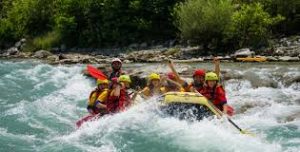
Water adventure sports include activities such as white-water rafting, scuba diving, surfing, and kayaking. Locations like the rivers of Nepal and the coastal regions of Australia provide ideal conditions for rafting and surfing. These sports combine physical strength with coordination and courage.
Famous Adventure Sports Destinations
Interlaken, Switzerland
Interlaken is one of the most famous adventure sports destinations in the world. Surrounded by the Alps, it offers activities such as skydiving, canyoning, skiing, and paragliding. The region is well-developed for tourism, making it accessible for both beginners and experienced adventurers.
Queenstown, New Zealand
Queenstown is widely recognized for its extreme sports culture. It is the birthplace of commercial bungee jumping and offers activities like jet boating, skydiving, and mountain biking. The scenic landscapes of lakes and mountains make it a perfect destination for adrenaline seekers.
Patagonia Region
The Patagonia region, spanning Argentina and Chile, is known for its rugged terrain, glaciers, and unpredictable weather. It is a paradise for hikers, climbers, and nature explorers who seek untouched wilderness and challenging environments.
Moab, Utah
Moab is famous for rock climbing, mountain biking, and off-road driving. Its red rock landscapes attract adventure sports enthusiasts from around the world.
Role of Technology in Adventure Sports
Modern adventure sports have evolved significantly due to technological advancements. Companies like GoPro have transformed how athletes capture and share their experiences. High-definition wearable cameras allow adventurers to document extreme activities from a first-person perspective.
Similarly, organizations such as Red Bull have played a major role in promoting adventure sports globally. Through sponsorship of events like extreme biking, air racing, and cliff diving, they have helped turn niche activities into mainstream sports entertainment.
Safety Measures in Adventure Sports
While adventure sports are thrilling, they also involve risks. Safety measures are essential to minimize accidents and ensure enjoyable experiences. Participants are typically required to undergo training sessions before engaging in high-risk activities such as skydiving or scuba diving.
Professional guides and instructors are trained to handle emergency situations. Equipment such as helmets, harnesses, and oxygen tanks is regularly inspected to ensure reliability. In high-altitude regions like the Himalayas, climbers must also monitor weather conditions carefully to avoid avalanches and frostbite.
Psychological Benefits of Adventure Sports
Adventure sports are not only physically beneficial but also mentally rewarding. They help individuals overcome fear, build confidence, and improve decision-making skills under pressure. Activities such as rock climbing or skydiving force participants to step outside their comfort zones.
Many psychologists believe that controlled exposure to risk can improve resilience and stress management. Adventure experiences also contribute to mindfulness by keeping individuals fully engaged in the present moment.
Adventure Sports and Media Influence
Media has played a crucial role in popularizing adventure sports. Documentaries, social media platforms, and sports broadcasting channels frequently showcase extreme activities, inspiring younger audiences to participate.
Athletes like Felix Baumgartner have become global icons due to their record-breaking feats. Their achievements highlight the potential of human endurance and innovation in extreme environments.
The Future of Adventure Sports
The future of adventure sports is expected to expand with advancements in virtual reality, safety equipment, and eco-tourism. Virtual simulations are already being used to train beginners before they attempt real-world experiences.
Sustainable tourism is also becoming a key focus. Destinations are now emphasizing environmental protection while promoting adventure activities. Regions like New Zealand are leading the way in balancing tourism growth with ecological conservation.
Conclusion
Adventure sports represent a powerful combination of thrill, nature, and personal growth. From the snow-covered peaks of the Himalayas to the scenic valleys of Switzerland and the rugged landscapes of Patagonia, these activities offer unforgettable experiences for adventure seekers.
Whether it is skydiving, mountain climbing, or water rafting, adventure sports continue to grow in popularity across the world. With the support of technology, safety innovations, and global tourism networks, the industry is expected to reach even greater heights in the coming years.