
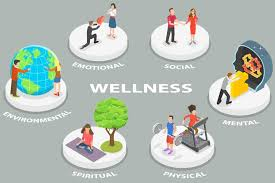
Introduction to Wellness Programs
Wellness programs have become an essential part of modern healthcare systems, corporate environments, and individual lifestyle planning. A wellness program refers to a structured set of activities, policies, and resources designed to improve physical health, mental wellbeing, and overall quality of life. According to global health perspectives highlighted by the World Health Organization, wellness is not only the absence of disease but a holistic state of physical, mental, and social wellbeing.
In today’s fast-paced world, organizations, hospitals, and digital platforms are investing heavily in wellness initiatives to enhance productivity, reduce healthcare costs, and improve life satisfaction. From corporate offices in Silicon Valley to healthcare institutions like the Cleveland Clinic, wellness programs are reshaping how people think about health management.
What Are Wellness Programs?
Wellness programs are organized systems that encourage individuals or employees to adopt healthier lifestyles. These programs may include fitness activities, nutritional guidance, mental health support, stress management workshops, and preventive health screenings.
Modern wellness programs are not limited to physical health alone. They also include digital health tracking tools, mindfulness applications, and behavioral change strategies. For example, mobile applications such as Headspace provide guided meditation and mindfulness exercises, helping users manage stress and improve focus.
Similarly, wearable technology like devices from Fitbit enables users to track steps, heart rate, sleep quality, and overall activity levels, making wellness more data-driven and personalized.
Importance of Wellness Programs in Modern Society
The importance of wellness programs is increasingly recognized by global organizations, governments, and corporations. The World Health Organization emphasizes preventive healthcare as a key strategy to reduce the burden of chronic diseases such as diabetes, cardiovascular conditions, and obesity.
Wellness programs provide several key benefits:
Improved physical health through regular exercise and health monitoring
Enhanced mental wellbeing through stress reduction and mindfulness practices
Increased workplace productivity and reduced absenteeism
Lower healthcare costs for organizations and individuals
Better work-life balance and employee satisfaction
Healthcare institutions such as the Mayo Clinic actively promote preventive care models that align closely with wellness program principles. These institutions demonstrate that early intervention and healthy lifestyle habits can significantly reduce long-term medical complications.
Types of Wellness Programs
Wellness programs can be categorized into several types depending on their focus and implementation:
Corporate Wellness Programs
Corporate wellness programs are designed by organizations to improve employee health and productivity. Companies like Google and Johnson & Johnson are well-known for implementing advanced wellness strategies, including fitness centers, mental health support, and flexible work arrangements.
These programs often include:
- On-site fitness facilities
- Stress management workshops
- Health screenings
- Nutritional counseling
- Mental health support systems
Physical Wellness Programs
Physical wellness programs focus on improving bodily health through exercise, nutrition, and preventive care. Hospitals like the Cleveland Clinic and Mayo Clinic promote structured exercise routines and lifestyle interventions to prevent chronic diseases.
Wearable technologies from Fitbit and health platforms integrated with Apple ecosystems (such as Apple Health) help users monitor physical activity and maintain consistent fitness goals.
Mental Wellness Programs
Mental wellness is a critical component of overall wellbeing. Digital platforms like Headspace and Calm offer guided meditation, sleep therapy, and stress reduction techniques.
Mental wellness programs often include:
- Counseling services
- Mindfulness training
- Stress management workshops
- Employee assistance programs
- Cognitive behavioral therapy (CBT) resources
Corporate Wellness Programs and Global Examples
Many multinational corporations have realized that employee wellbeing directly impacts performance and innovation. Google integrates wellness into its workplace culture by offering healthy meals, fitness centers, and mental health days.
Similarly, Johnson & Johnson has long been recognized for its “Health & Wellness Program,” which focuses on preventive healthcare, fitness challenges, and lifestyle coaching for employees worldwide.
These programs are not only beneficial for employees but also improve organizational efficiency, reduce turnover rates, and enhance brand reputation.
Role of Healthcare Institutions in Wellness Programs
Healthcare institutions play a foundational role in designing and promoting wellness initiatives. The Mayo Clinic is known for integrating lifestyle medicine into patient care, emphasizing diet, exercise, and mental health.
Similarly, the Cleveland Clinic offers wellness education programs that help patients and communities adopt healthier lifestyles. These institutions demonstrate that wellness is not just treatment-based but also prevention-focused.
In the United Kingdom, the National Health Service (NHS) also supports public health initiatives that promote physical activity, healthy eating, and mental wellbeing across communities.
Digital Wellness and Technology Integration
The rise of digital health technologies has transformed wellness programs significantly. Wearables like Fitbit and ecosystems like Apple Health allow users to monitor their health metrics in real time.
Mobile applications such as Headspace and Calm further enhance accessibility to mental health resources. These tools make wellness programs more scalable, affordable, and user-friendly.
Healthcare organizations like the Mayo Clinic are also adopting telemedicine and digital monitoring systems to extend wellness services beyond physical hospitals.
Wellness Programs in Pakistan and Regional Context
In Pakistan, wellness programs are gradually gaining attention in both corporate and healthcare sectors. Leading hospitals such as Aga Khan University Hospital and Shifa International Hospital in Islamabad are actively promoting preventive healthcare and lifestyle management services.
In cities like Rawalpindi and Islamabad, awareness around fitness, nutrition, and mental health is increasing due to digital platforms and healthcare outreach programs. Many organizations are now introducing corporate wellness initiatives similar to global models seen in Google and Johnson & Johnson.
How to Design an Effective Wellness Program
Creating a successful wellness program requires strategic planning and continuous evaluation. Key steps include:
Assessing employee or community health needs
Setting measurable wellness goals
Integrating physical and mental health components
Using technology like Fitbit and Headspace for tracking and engagement
Partnering with healthcare institutions such as the Mayo Clinic or Cleveland Clinic for expert guidance
Evaluating outcomes and improving programs continuously
A well-designed wellness program not only improves individual health but also creates a culture of wellbeing within organizations.
Benefits of Wellness Programs for Businesses and SEO Growth
From a business perspective, wellness programs significantly improve employee engagement and reduce healthcare costs. Organizations like Google have demonstrated that investing in employee wellbeing leads to higher productivity and innovation.
For digital businesses, publishing SEO-optimized content around wellness programs helps attract organic traffic. Topics involving World Health Organization guidelines, modern fitness tools like Fitbit, and mental health apps such as Headspace tend to perform well in search rankings due to high user interest and relevance.
Conclusion
Wellness programs are no longer optional; they are essential for modern living, corporate success, and sustainable healthcare systems. Supported by global institutions like the World Health Organization and leading medical centers such as the Mayo Clinic, wellness initiatives are transforming how individuals and organizations approach health.
Whether through corporate wellness initiatives at Johnson & Johnson, digital mindfulness platforms like Headspace, or preventive care models at the Cleveland Clinic, the future of wellness is integrated, data-driven, and accessible.
As awareness continues to grow in regions like Pakistan through institutions such as Aga Khan University Hospital and Shifa International Hospital, wellness programs will play an increasingly vital role in shaping healthier societies worldwide.